

LUX Sports was founded in the UK in 2017 by Tom Luxton.
As a keen soccer player, Tom saw the advantages that Anti Slip Football Socks posed but simply couldn't justify spending upwards of the £40 per pair that current brands were charging for them.
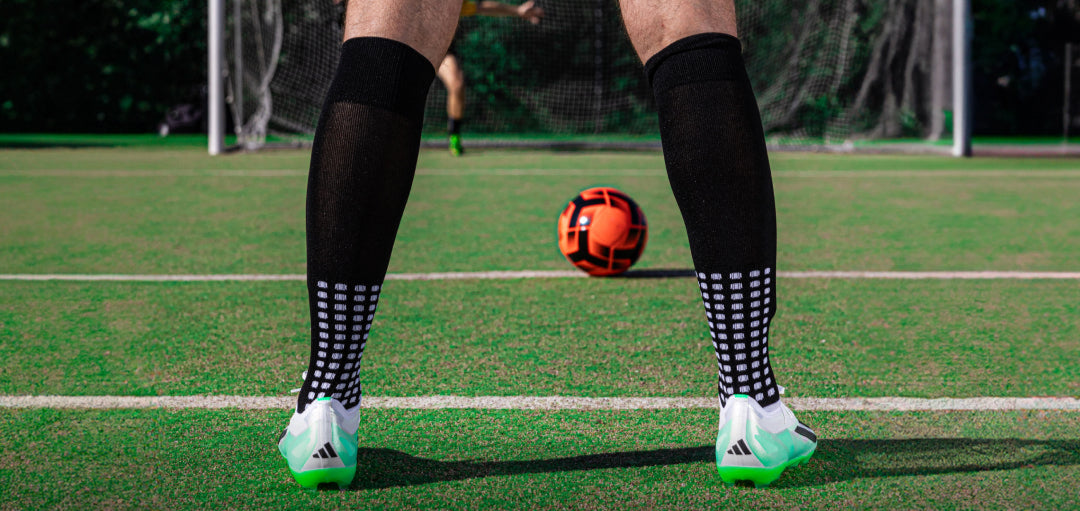
On a mission
He set off on a mission to create Anti Slip Socks that provided all the sports benefits of the current offerings but without charging over the odds for the pleasure!
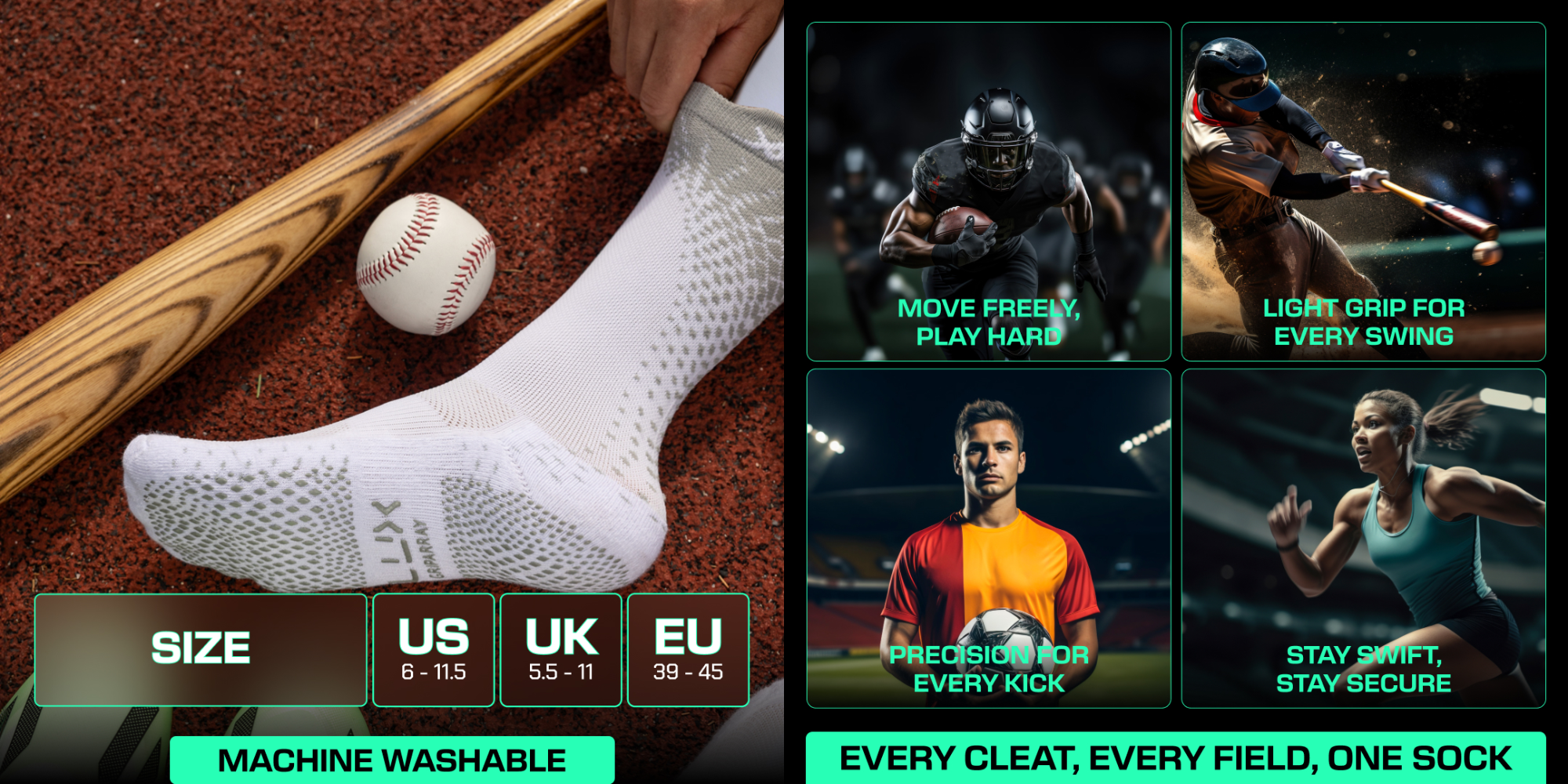
Since then, LUX Sports has grown and continuously refined its football gear to ensure that its customers are receiving the highest quality products on the market at the most reasonable of prices. We judge and measure ourselves according to 3 key metrics:
Durability & comfort, accessibility, and flawless customer service.
Follow LUX



LUX Sports Collection
-
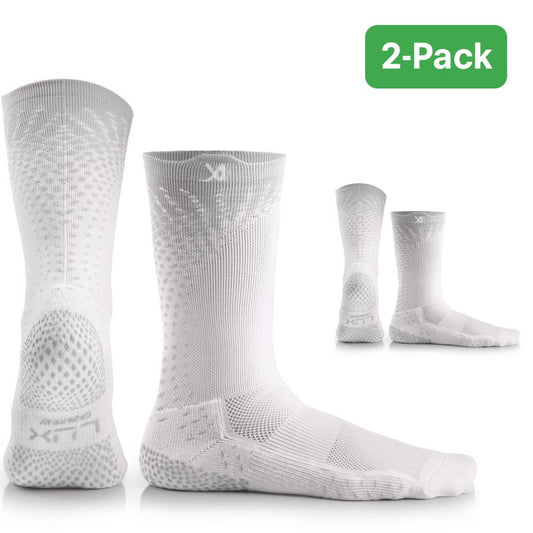
Performance Grip Socks - Calf (2-Pack) (Academy)
Vendor:LUX SportsRegular price $69.90Regular priceUnit price per

FAQs
How do grip socks work?
Grip socks use specialised grip pads to improve traction between your foot, sock and footwear. Many athletes wear grip socks to reduce internal foot movement, improve stability and feel more secure during quick changes of direction.
Can grip socks help prevent blisters?
Yes. Grip socks are designed to reduce the friction that occurs when your feet slide inside your boots or shoes. By helping keep your foot securely in place, they can minimise rubbing and hot spots that often lead to blisters during training and matches.
Can grip socks improve traction inside my shoes?
Yes. Grip socks are specifically designed to reduce foot slippage inside shoes and cleats. The added traction can help create a more locked-in feel, improving confidence when accelerating, turning and stopping.
Can grip socks help me change direction more quickly?
Yes. By reducing unnecessary foot movement inside your footwear, grip socks can help improve stability during rapid changes of direction, cutting movements and explosive acceleration.
Can grip socks help improve my performance on the field?
Yes. Many athletes use grip socks because they provide a more secure connection between the foot and the boot. Improved stability and reduced slippage can help players feel more confident during sprints, turns and high-intensity movements.
Can grip socks reduce foot fatigue?
Yes. Excessive foot movement inside your boots can place additional strain on your feet during long matches and training sessions. Grip socks help minimise this movement, which may improve comfort and reduce fatigue over time.
Can I wear grip socks for an entire match?
Yes. Grip socks are designed for extended wear during both training and competition. Breathable materials, moisture-wicking fabrics and compression zones help provide comfort throughout the game.
Can grip socks be worn with shin guards?
Yes. Many football and soccer players wear grip socks with shin guards during both training and matches. Knee-length grip socks are particularly popular for players who prefer traditional soccer sock coverage.
Can grip socks be worn under team socks?
Yes. Many players wear grip socks underneath their regular team socks. This allows them to benefit from the grip technology while still meeting team uniform requirements.
Can grip socks help me feel more stable when sprinting?
Yes. Grip socks help create a more secure fit between your foot and your footwear, reducing unwanted movement that can occur during acceleration and sprinting. This can help athletes feel more stable and in control.
Are grip socks only for soccer?
No. While grip socks are extremely popular among football and soccer players, they are also commonly used for rugby, basketball, hockey, futsal, lacrosse, tennis, running and other sports where stability and traction are important.
Are grip socks worth it?
For many athletes, yes. Grip socks provide benefits that standard sports socks typically do not, including improved traction, reduced foot movement, blister prevention and enhanced comfort. They are especially popular among players who participate in sports that involve sprinting, cutting and quick directional changes.